
Elaboration Game
A routine for encouraging close looking.
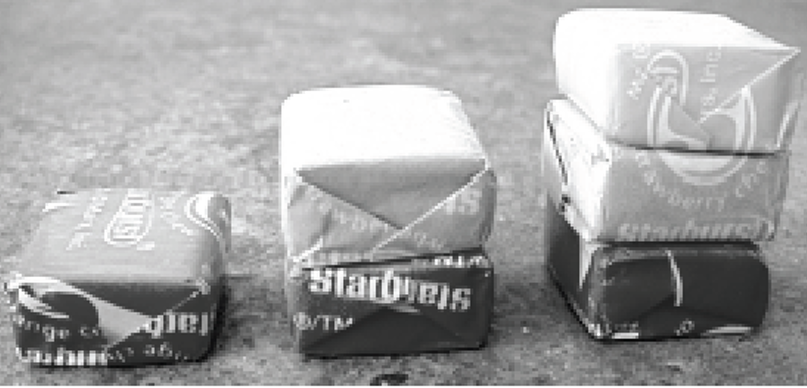
As a group, observe and describe several different sections of an artwork.
- One person identifies a specific section of the artwork and describes what he or she sees.
- Another person elaborates on the first person’s observations by adding more detail about the section.
- A third person elaborates further by adding yet more detail, and a fourth person adds yet more.
- Observers: Only describe what you see. Hold off giving your ideas about the art until the last step of the routine.
- After four people have described a section in detail, another person identifies a new section of the artwork and the process starts over.
PURPOSE
What kind of thinking does this routine encourage?
This routine encourages students to look carefully at details. It challenges them to develop verbal descriptions that are elaborate, nuanced, and imaginative. It also encourages them to distinguish between observations and interpretations by asking them to withhold their ideas about the artwork—their interpretations—until the end of the routine. This in turn strengthens students’ ability to reason carefully because it gives them practice making sustained observations before jumping into judgment.
APPLICATION
When and where can I use it?
Use this routine with any kind of visual art that stays still in time, such as painting or sculpture. You can also use the routine with non-art objects, such as a microscope, an animal skeleton, or a plant. The Elaboration Game is an especially good way to launch a writing activity because it helps students develop a detailed descriptive vocabulary.
LAUNCH
What are some tips for starting and using this routine?
This is a great routine to launch a collaborative conversation about an artwork or object. With an object or sculpture you can ask students to view it from different sides or viewpoints. With an artwork or twodimensional piece, students have the opportunity to tackle smaller sections at a time. You could use a viewfinder or have the students use their hands to create a viewfinder to focus in on their section.
Origins
This thinking routine emerged as part of the Artful Thinking project.
Copyright
© 2022 President and Fellows of Harvard College and Project Zero. This work is licensed under a Creative Commons Attribution-NonCommercial-NoDerivatives 4.0 International License (CC BY-NC-ND). This license allows users to share this work with others, but it cannot be used commercially. To reference this work, please use the following: The “Elaboration Game” thinking routine was developed by Project Zero, a research center at the Harvard Graduate School of Education