Teaching and Learning for Understanding
Explore the difference between "knowing" and "understanding," the challenges and obstacles to teaching and learning for understanding, and strategies for addressing them.
The future our students are preparing for is filled with challenges and complexity. Developing transferable knowledge and skills they can apply in situations and contexts they have never encountered before is key for learners to thrive. This requires learning experiences that are meaningful to them—both now and in the future—and that last beyond the test.
Overview
The future for which we are preparing our students is filled with challenges and complexity. Developing transferable knowledge and skills that students can apply in situations and contexts they have never encountered before is key, which means that teaching needs to go beyond the simple acquisition of information and content. In this course, you will consider three core questions:
- What is most important for my students to understand?
- What kinds of learning experiences will best help them develop and use that understanding flexibly and thoughtfully?
- How will I (and my students) know how much and how well they have understood?
As you keep these three questions central to your engagement with material in the course, you will have the opportunity to:
- Explore the differences between "knowing" and "understanding"
- Learn the components of the Teaching for Understanding framework and how to adapt and apply them in your classroom or learning context
- Consider the challenges and obstacles to teaching and learning for understanding and how to respond to them
Who Should Participate
- Teachers, teacher leaders, and school administrators and leaders
- Museum educators and educators working in informal learning environments
- Facilitators of pre-K to adult learning
Time Commitment
Anticipate a workload of 2.5-3 hours per week for four weeks. The course provides 12 total hours of professional learning. During each session:
- Team Meeting: This 1-hour live, synchronous team meeting happens every week, scheduled and facilitated by the team members with PZ-designed agenda.
- Reading, Practice, and Assignments: Plan remaining time for reading and individual reflections/assignments. If you are not currently working in a school or educational organization, you will need a classroom context or a consistent group of students with whom you can try out/practice the ideas you are learning throughout the course.
Schedule
Each weekly session opens on a Monday and ends on a Sunday. Participants decide when to work on the course material and when to schedule their team meetings within each session.
- Session 1: January 25-January 31, 2027
- Session 2: February 1-February 7, 2027
- Session 3: February 8-February 14, 2027
- Session 4: February 15-February 21, 2027
Tuition, Discounts, and Financial Aid
For mini courses (four sessions, four weeks), the tuition is:
- $355 for educators joining as part of a team (three to six members from the same organization)
- $385 for educators joining as part of a team of two (from the same organization) who will be placed on a virtual team with other teams of two (as attendance allows)
- $399 for educators joining as individuals to be placed on a virtual team
Financial aid is limited and awarded on a first-come, first-served basis, and typically covers 50-70% of a course's tuition for eligible educators. Applications must be submitted and accepted prior to registration. Review our financial aid criteria.
Questions?
Visit the FAQs page for more information on PZ online courses, or email pzlearn@gse.harvard.edu.
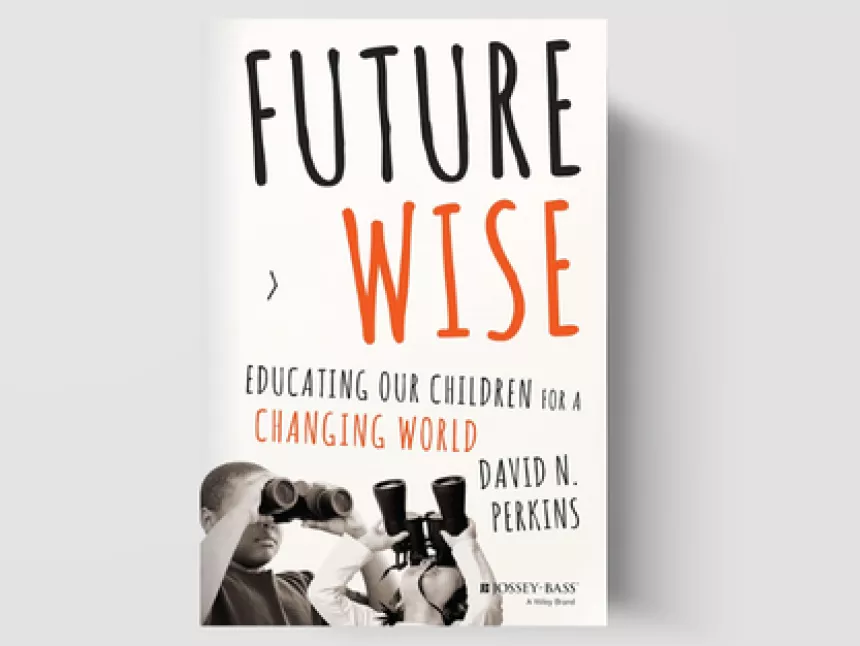
This course builds upon a popular Project Zero project.

“I used to think that my students just understood what I was teaching because I worked so hard to create engaging and meaningful lessons and be a good teacher. Now I think there is more to understanding than being able to get a good grade on the assessment. I realize how important it is for the teacher to create clear goals for understanding that are shared with students so they develop an understanding of how to apply the knowledge and skills when needed in life.”
Contact Us
If you have specific questions about any of our professional development opportunities, please email us at pzlearn@gse.harvard.edu.